TL;DR / Key Takeaways
- Decisive Finish: A knockout occurs when a legal strike renders a competitor unable to continue or rise before a referee’s count.
- Biomechanical Force: Knockouts result from rotational brain acceleration caused by rapid energy transfer through the kinetic chain.
- Combat Application: Understanding strike mechanics helps fighters develop rate of force development (RFD) while prioritizing defensive positioning.
A rotational blow delivering as little as 40g of acceleration to the jaw can instantly disrupt neurological function, causing a sudden loss of consciousness. In combat sports, achieving an immediate finish relies far more on kinetic chain alignment, timing, and rotational torque than raw physical strength.
Deconstructing how dynamic finishes occur provides essential insight for combat athletes, strength coaches, and striking enthusiasts looking to understand elite force production.
What Is a KO and How Does It Occur Biomechanically?
A clean finish occurs when a legal strike causes a sudden, temporary loss of neurological consciousness or physical equilibrium, rendering a fighter incapable of defending themselves. It represents the ultimate mechanical objective in striking disciplines like boxing, kickboxing, and mixed martial arts.
Combat sports analysts and martial arts enthusiasts frequently review the KO full form to confirm that KO stands for Knockout, which designates an immediate finish where an athlete cannot rise before the referee completes a ten-second count.
3 Real-World Examples Across Combat Disciplines
Examining specific striking scenarios illustrates how different angles, timing, and kinetic mechanics produce immediate finishes.
1. The Counter Right Hand in Professional Boxing
A counter-punch utilizes an opponent’s forward momentum to multiply the total collision velocity upon impact.
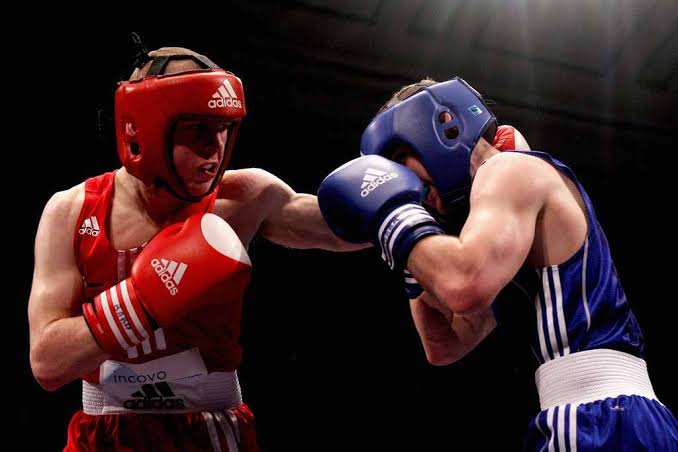
When a boxer slips a jab and throws a straight right over the top, the combined force accelerates the opponent’s head backward, creating immediate brainstem displacement.
2. The Liver Shot in Kickboxing and MMA
A precise hook targeting the liver causes an involuntary autonomic nervous system shutdown rather than cranial trauma.
A heavy blow to the right side of the body stimulates the vagus nerve, causing sudden vasodilation, severe blood pressure drops, and complete lower-body paralysis while the fighter remains conscious.
3. The High-Kick Head Strike in Mixed Martial Arts
Unseen head kicks leverage long lever arms to deliver massive rotational force across the cervical spine and jaw.
Because the strike often originates from outside an opponent’s peripheral vision, the receiving fighter cannot brace their neck muscles, dramatically increasing rotational acceleration.
| Knockout Mechanism | Primary Biomechanical Cause | Physical Impact on Athlete | Real-World Combat Example |
| Rotational Head Strike | Rapid cerebral acceleration | Temporary loss of consciousness / syncope | Overhand right counter to the chin. |
| Hepatic Body Strike | Vagus nerve overstimulation | Involuntary physical paralysis & acute pain | Left hook to the liver / body kick. |
| Unseen High Kick | Unbraced neck rotational torque | Immediate brainstem disruption | Rear leg roundhouse kick to the temple. |
How Striking Athletes Train for Peak Force Generation
Building explosive finish potential requires training the entire body as a unified kinetic unit.
Optimize Ground Force and Hip Rotation
Explosive striking force originates from feet driving against the canvas, pivoting through the hips, and accelerating out through the fist or shin.
Exercises like heavy medicine ball rotational wall-slams and landmine rotations condition the core to transfer energy without mechanical leaks.
Focus on Timing and Target Precision Over Raw Effort
Strikes delivered when an opponent is mid-exertion or off-balance generate exponentially higher impact forces than telegraphed, full-power swings.
Focus mitt drills and light sparring sharpen spatial awareness, allowing fighters to land clean strikes through open defensive guards.
Frequently Asked Questions (FAQ)
What is the primary difference between a KO and a TKO?
A KO occurs when a fighter is knocked unconscious or fails to stand before a ten-second count, whereas a TKO (Technical Knockout) is declared by a referee, doctor, or corner while the fighter is still conscious.
Why do counter-punches cause more knockouts than leading punches?
Counter-punches leverage the combined kinetic energy of both moving fighters, significantly increasing the net impact velocity and reducing the time the opponent has to brace.
Can body shots cause an official knockout?
Yes, a severe strike to the liver or solar plexus that prevents a fighter from standing before the ten-second count is officially ruled a knockout.
Conclusion
Understanding the mechanics behind a Knockout illuminates the precise balance of physics, physiology, and timing required in striking sports. By refining kinetic chain transfer, target precision, and defensive awareness, combat athletes can maximize force production while safeguarding their long-term health.

Super Sale Live

Meerut is India’s cricket manufacturing capital, and these major platforms offer a variety of options ranging from budget-friendly Poplar & Kashmir willow.
Buy NowTop rated
-
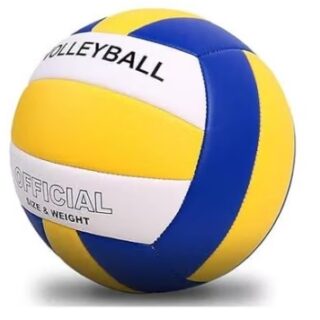 Volleyball for Training & Practice
Original price was: ₹999.00.₹399.00Current price is: ₹399.00.
Volleyball for Training & Practice
Original price was: ₹999.00.₹399.00Current price is: ₹399.00.
-
 Basket Ball for Boys Training & Recreational Ball
Original price was: ₹1,250.00.₹599.00Current price is: ₹599.00.
Basket Ball for Boys Training & Recreational Ball
Original price was: ₹1,250.00.₹599.00Current price is: ₹599.00.
-
 World Cup Qatar Football - Size 5 Standard
Original price was: ₹1,250.00.₹599.00Current price is: ₹599.00.
World Cup Qatar Football - Size 5 Standard
Original price was: ₹1,250.00.₹599.00Current price is: ₹599.00.
-
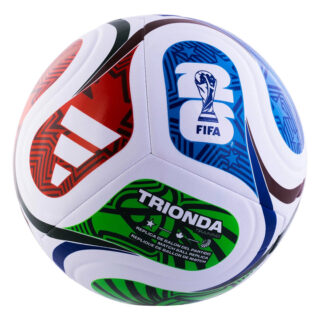 World Cup Football
Original price was: ₹999.00.₹499.00Current price is: ₹499.00.
World Cup Football
Original price was: ₹999.00.₹499.00Current price is: ₹499.00.
-
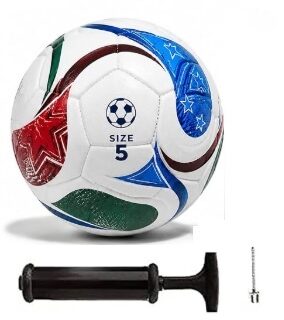 FIFA World Cup Trionda Competition Football
Original price was: ₹1,999.00.₹599.00Current price is: ₹599.00.
FIFA World Cup Trionda Competition Football
Original price was: ₹1,999.00.₹599.00Current price is: ₹599.00.
Products
-
Volleyball for Training & Practice
Original price was: ₹999.00.₹399.00Current price is: ₹399.00.
-
Basket Ball for Boys Training & Recreational Ball
Original price was: ₹1,250.00.₹599.00Current price is: ₹599.00.
-
World Cup Qatar Football - Size 5 Standard
Original price was: ₹1,250.00.₹599.00Current price is: ₹599.00.
-
World Cup Football
Original price was: ₹999.00.₹499.00Current price is: ₹499.00.
-
FIFA World Cup Trionda Competition Football
Original price was: ₹1,999.00.₹599.00Current price is: ₹599.00.