At 5.30 pm, the hall may still contain chairs from an afternoon meeting. By 6.00 pm, it must become a safe training space. That short changeover is the central challenge for clubs that hire shared community facilities. The solution depends less on building a permanent dojo and more on creating a repeatable setup routine.
Organisers should look for a flat area away from doors, kitchen access, stacked furniture and public walkways. They also need to check for floor damage, moisture, grit or protruding fittings. A clean base protects both participants and the hall’s finish.
The room should be measured before equipment is ordered. Guessing often leads to awkward strips, blocked exits or an undersized safety border. A simple floor plan can show the training area, instructor position, spectator space and clear paths to emergency exits. It also helps the club calculate how many jigsaw mats are required without buying a large surplus.
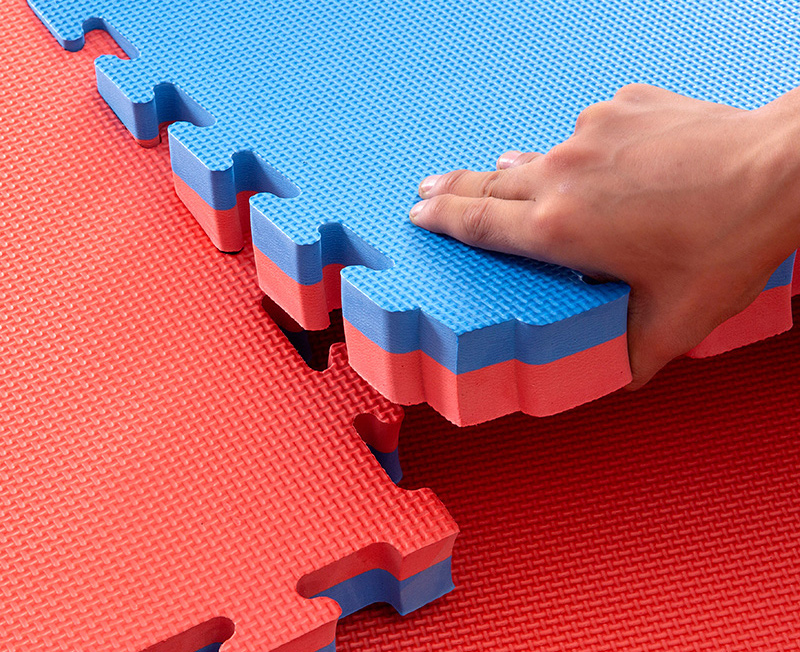
Setup works best as a sequence. One person clears and sweeps the floor while others bring in the stacked panels. The first row should follow a straight reference line, because a small angle at the beginning becomes a large gap later. Each panel needs to be pressed fully into its neighbours so that the joins lie flat.
Edge and corner pieces create a cleaner boundary and reduce exposed interlocking teeth. They can also make the area easier to see, particularly for children. However, the boundary still needs space around it. Training should not end immediately beside a wall, stage, table or hard storage cabinet.
Movement during use is a common problem. Interlocking panels can behave as one large surface, but the whole area may still slide on a polished floor. The club should follow the product guidance and the venue’s rules when choosing an anti-slip method. Tape should never be applied without permission, as some adhesives can mark timber or vinyl.
The training plan must suit a temporary installation. Light technical work, controlled partner drills and ground practice may fit the space well. Higher-impact throws or fast movement need more room and a surface intended for that purpose. Coaches should adjust the session if the hall, floor or available mat area creates a limitation.
Pack-down deserves the same discipline as setup. Jigsaw mats should be checked for moisture and dirt before stacking. Panels with damage, lifting edges or weakened joins should be separated for review rather than returned to the main pile. A consistent stacking direction makes the next setup faster and protects the interlocking edges.
Storage conditions affect service life. The equipment should remain dry, supported and away from sharp objects or heavy items that can crush the foam. A labelled trolley or rack can reduce handling and prevent hall users from treating the stack as general storage.
Responsibility also needs to be clear. A setup leader can complete a short checklist, record damage and confirm that exits remain open. This avoids the assumption that someone else inspected the floor or counted the panels.
A trial setup before the first class can reveal practical problems. Volunteers can time the process, identify panels that are difficult to join and confirm that the finished zone fits the plan. Photos of the correct layout can then be kept with the equipment. New helpers do not have to rely on memory, and the club gains a simple reference for checking that jigsaw mats face the right direction and boundaries remain clear.
A temporary training zone will never feel exactly like a permanent facility, but it can still be orderly and dependable. Well-planned jigsaw mats turn an empty section of hall into a defined working area, while a reliable routine protects participants, volunteers and the venue. The strongest setup is the one a team can reproduce correctly every week.

Super Sale Live

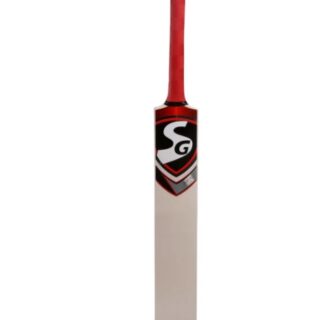
Meerut is India’s cricket manufacturing capital, and these major platforms offer a variety of options ranging from budget-friendly Poplar & Kashmir willow.
Buy NowTop rated
-
 Volleyball for Training & Practice
Original price was: ₹999.00.₹399.00Current price is: ₹399.00.
Volleyball for Training & Practice
Original price was: ₹999.00.₹399.00Current price is: ₹399.00.
-
 Basket Ball for Boys Training & Recreational Ball
Original price was: ₹1,250.00.₹599.00Current price is: ₹599.00.
Basket Ball for Boys Training & Recreational Ball
Original price was: ₹1,250.00.₹599.00Current price is: ₹599.00.
-
 World Cup Qatar Football - Size 5 Standard
Original price was: ₹1,250.00.₹599.00Current price is: ₹599.00.
World Cup Qatar Football - Size 5 Standard
Original price was: ₹1,250.00.₹599.00Current price is: ₹599.00.
-
 World Cup Football
Original price was: ₹999.00.₹499.00Current price is: ₹499.00.
World Cup Football
Original price was: ₹999.00.₹499.00Current price is: ₹499.00.
-
 FIFA World Cup Trionda Competition Football
Original price was: ₹1,999.00.₹599.00Current price is: ₹599.00.
FIFA World Cup Trionda Competition Football
Original price was: ₹1,999.00.₹599.00Current price is: ₹599.00.
Products
-
Volleyball for Training & Practice
Original price was: ₹999.00.₹399.00Current price is: ₹399.00.
-
Basket Ball for Boys Training & Recreational Ball
Original price was: ₹1,250.00.₹599.00Current price is: ₹599.00.
-
World Cup Qatar Football - Size 5 Standard
Original price was: ₹1,250.00.₹599.00Current price is: ₹599.00.
-
World Cup Football
Original price was: ₹999.00.₹499.00Current price is: ₹499.00.
-
FIFA World Cup Trionda Competition Football
Original price was: ₹1,999.00.₹599.00Current price is: ₹599.00.