
The desire to learn from someone who is actively doing something rather than merely explaining it has long been part of how Mexicans acquire new skills. Apprentice and mentor relationships, and learning through observation, have been embedded in professional and craft practices throughout Mexico for generations. Social trading platforms have tapped into that instinct by creating environments where retail participants can observe experienced traders operating in live markets, study their decision-making, and in some cases copy their trades automatically within parameters set by their own accounts.
The distinction between passive copy trading and genuine social trading engagement is one that more thoughtful participants on these platforms come to recognize over time. Copying positions without understanding the reasoning behind them produces a passive relationship with the market that does not build analytical ability. Those who approach these platforms with a learning mindset, studying the traders they follow rather than simply chasing the top performance accounts, tend to extract considerably more value over time.
Signal quality across social trading ecosystems varies considerably, and identifying reliable providers is one of the more challenging aspects of using these platforms effectively. A trader with a strong performance record based on their statistics over a three-month window may have performed well in one market regime without being tested in another. When conditions change and performance deteriorates, followers may have no mechanism to anticipate the shift before losses accumulate. Suggested by experienced participants is to consider performance in different market conditions and volatility environments, instead of just looking at peak return periods.
The community dimension of social trading extends beyond the copy function into forums, comment threads, and analysis sharing that some platforms have developed into genuine resources. Mexican traders who engage at this level value community discussion as much as the trades themselves. What a seasoned social trader chose not to enter despite a setup that looked promising, or how they approached position sizing during a high-volatility period, rarely appears in any performance report but carries real instructional value.
Risk management compatibility between the followed trader’s approach and the follower’s account size is a consideration that most newcomers overlook. If a social trader operates aggressively relative to their capital, they may generate strong percentage gains, but a follower with a different risk tolerance or a smaller account can experience the same approach as significant percentage losses. Mexican participants who have encountered this mismatch consistently point to allocation percentage as the setting most in need of deliberate adjustment rather than acceptance of the default value.
Among more sophisticated Mexican retail participants, awareness of the regulatory frameworks governing social trading platforms has grown. The degree of oversight, fee transparency, and accuracy of information provided by brokers or standalone platforms offering copy trading capabilities can differ significantly. The same vetting process applied to broker selection, including regulatory checks, community feedback, and demo testing, applies equally to social trading platforms built on top of those brokers. What social trading brings to the Mexican retail market is a range of engagement levels that do not all require the same degree of analytical development, and the model has resonated with traders who value the opportunity to participate collectively rather than in isolation, whether the goal is learning, passive income, or some combination of the two.

Super Sale Live

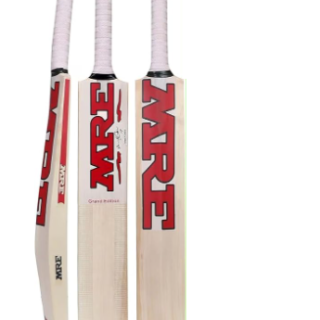
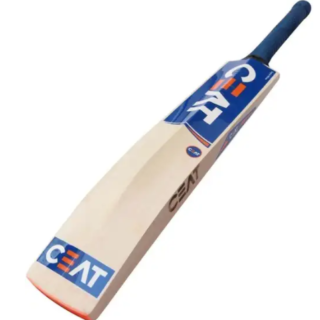
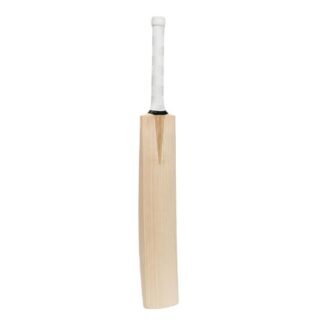
Meerut is India’s cricket manufacturing capital, and these major platforms offer a variety of options ranging from budget-friendly Poplar & Kashmir willow.
Buy NowTop rated
-
 Volleyball for Training & Practice
Original price was: ₹999.00.₹399.00Current price is: ₹399.00.
Volleyball for Training & Practice
Original price was: ₹999.00.₹399.00Current price is: ₹399.00.
-
 Basket Ball for Boys Training & Recreational Ball
Original price was: ₹1,250.00.₹599.00Current price is: ₹599.00.
Basket Ball for Boys Training & Recreational Ball
Original price was: ₹1,250.00.₹599.00Current price is: ₹599.00.
-
 World Cup Qatar Football - Size 5 Standard
Original price was: ₹1,250.00.₹599.00Current price is: ₹599.00.
World Cup Qatar Football - Size 5 Standard
Original price was: ₹1,250.00.₹599.00Current price is: ₹599.00.
-
 World Cup Football
Original price was: ₹999.00.₹499.00Current price is: ₹499.00.
World Cup Football
Original price was: ₹999.00.₹499.00Current price is: ₹499.00.
-
 FIFA World Cup Trionda Competition Football
Original price was: ₹1,999.00.₹599.00Current price is: ₹599.00.
FIFA World Cup Trionda Competition Football
Original price was: ₹1,999.00.₹599.00Current price is: ₹599.00.
Products
-
Volleyball for Training & Practice
Original price was: ₹999.00.₹399.00Current price is: ₹399.00.
-
Basket Ball for Boys Training & Recreational Ball
Original price was: ₹1,250.00.₹599.00Current price is: ₹599.00.
-
World Cup Qatar Football - Size 5 Standard
Original price was: ₹1,250.00.₹599.00Current price is: ₹599.00.
-
World Cup Football
Original price was: ₹999.00.₹499.00Current price is: ₹499.00.
-
FIFA World Cup Trionda Competition Football
Original price was: ₹1,999.00.₹599.00Current price is: ₹599.00.