
Copy-trading platforms have made it possible to follow another person’s positions in real time, and that convenience has turned performance screenshots into a kind of currency on social media, shared and reshared as proof of skill even when the underlying numbers tell a thinner story. A single winning month captured in an image says almost nothing about how an account behaved during the drawdowns that preceded it or the ones still waiting to happen. Survivorship bias runs through much of what gets posted publicly, since accounts that blow up rarely stick around to advertise the fact. What remains visible online skews heavily toward whoever happens to be on a hot streak at the moment a screenshot gets taken, which means the sample anyone sees is already filtered in a way that flatters the poster considerably, while offering the viewer very little real insight.
Verified track records exist precisely because unverified ones proved so easy to fabricate or cherry-pick. Platforms that host copy-trading features have gradually built in audited performance histories, showing drawdown depth, average holding period, and win rate measured across a full account lifetime, well beyond any single favorable window. A social trader worth following on the strength of these metrics tends to show consistency across multiple market regimes, extending beyond any one period where conditions happened to align well.
Risk settings attached to a followed account matter just as much as the returns themselves, and this is where plenty of newcomers miss the fuller picture. Traders copying a high-performing account without adjusting position sizing to their own capital can end up with exposure levels the original trader never intended for a follower to inherit, turning a modest account swing into something far more damaging once leverage compounds the difference.
Timeframe distorts the picture in ways most people fail to fully account for when evaluating a track record shared online. A three-month run of strong returns can look statistically similar to genuine skill, yet plenty of research into trading performance suggests that period is far too short to separate luck from process. Longer verified histories, spanning a year or more and covering at least one meaningful downturn, offer a much sturdier basis for judgment, well beyond anything condensed into a few weeks of green candles.
Engagement incentives on social platforms push in the opposite direction from careful scrutiny, rewarding bold claims and dramatic screenshots over the kind of dry, verified statistics that would actually help traders make an informed decision. Algorithms amplify whatever draws attention, and a modest, well-reasoned track record rarely competes with a flashy one, even when the flashy version is built on a smaller sample or a lucky run that happened to coincide with favorable conditions. Due diligence habits are slowly catching up with the growth of copy-trading as a category, with more platforms now surfacing verified metrics prominently, no longer burying them behind a profile link. Traders who take the extra step of checking maximum drawdown, average trade duration, and how an account performed during a known market stress event tend to make far more informed choices, avoiding decisions based on recent returns alone. Scrutiny of this kind will likely keep intensifying as copy-trading attracts a wider audience unfamiliar with how easily short-term numbers can mislead. The real value of a social trader becomes clear only once the flashy screenshot gives way to a fuller history, one that includes the losing stretches most people would rather not post.

Super Sale Live

Meerut is India’s cricket manufacturing capital, and these major platforms offer a variety of options ranging from budget-friendly Poplar & Kashmir willow.
Buy NowTop rated
-
 Leather Cricket Training/Practice Balls (2Pcs)
Original price was: ₹1,499.00.₹699.00Current price is: ₹699.00.
Leather Cricket Training/Practice Balls (2Pcs)
Original price was: ₹1,499.00.₹699.00Current price is: ₹699.00.
-
 Basket Ball for Boys Training & Recreational Ball
Original price was: ₹1,250.00.₹599.00Current price is: ₹599.00.
Basket Ball for Boys Training & Recreational Ball
Original price was: ₹1,250.00.₹599.00Current price is: ₹599.00.
-
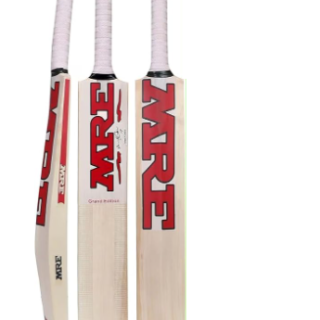 MRF Kashmir Willow Cricket Bat
Original price was: ₹3,450.00.₹1,650.00Current price is: ₹1,650.00.
MRF Kashmir Willow Cricket Bat
Original price was: ₹3,450.00.₹1,650.00Current price is: ₹1,650.00.
-
 Cricket Leather White Ball for Training/Practice (2Pcs)
Original price was: ₹1,499.00.₹699.00Current price is: ₹699.00.
Cricket Leather White Ball for Training/Practice (2Pcs)
Original price was: ₹1,499.00.₹699.00Current price is: ₹699.00.
-
 Volleyball for Training & Practice
Original price was: ₹999.00.₹399.00Current price is: ₹399.00.
Volleyball for Training & Practice
Original price was: ₹999.00.₹399.00Current price is: ₹399.00.
Products
-
Volleyball for Training & Practice
Original price was: ₹999.00.₹399.00Current price is: ₹399.00.
-
Basket Ball for Boys Training & Recreational Ball
Original price was: ₹1,250.00.₹599.00Current price is: ₹599.00.
-
 World Cup Qatar Football - Size 5 Standard
Original price was: ₹1,250.00.₹599.00Current price is: ₹599.00.
World Cup Qatar Football - Size 5 Standard
Original price was: ₹1,250.00.₹599.00Current price is: ₹599.00.
-
 World Cup Football
Original price was: ₹999.00.₹499.00Current price is: ₹499.00.
World Cup Football
Original price was: ₹999.00.₹499.00Current price is: ₹499.00.
-
 FIFA World Cup Trionda Competition Football
Original price was: ₹1,999.00.₹599.00Current price is: ₹599.00.
FIFA World Cup Trionda Competition Football
Original price was: ₹1,999.00.₹599.00Current price is: ₹599.00.