
When members of Filipino trading communities reflect on their development, most can identify a clear turning point, one that was not obvious at the time but becomes legible in retrospect. The market has a way of demanding more than casual participants plan to give it. No particular trade or account figure marks the change; the distance between someone treating it as a side activity and someone operating as a genuine CFD trader tends to close gradually, through shifts in behavior that precede any visible shift in results. The shift is almost always accompanied by a change in how losses are processed.
Casual participants treat each losing trade as an isolated event and move on quickly without further examination. The shift occurs when a trader stops taking losses personally and begins treating each one as material for analysis. What did the setup actually show at the point of entry, not as it appeared after conviction had set in, but as it objectively presented itself? Whether the loss resulted from a procedural error, an execution mistake, or a valid setup that simply did not work out is the question that separates productive review from emotional reaction. Most casual traders will not sustain that level of self-examination, and those who do tend to improve in ways that distinguish them from those who do not.
A side-hustler manages a trading account the way discretionary spending is managed: small amounts that feel affordable to lose, with drawdowns treated as the cost of entertainment rather than as evidence of a flawed process. The gap between that approach and the habits of a consistent CFD trader is wide, and crossing it generally involves becoming more deliberate about capital, applying a defined position sizing approach, treating the account as a business tool, and basing capital decisions on performance data rather than the immediate emotional weight of recent results.
How a trader engages with the community often reflects and reinforces where they are in that transition. Those still treating it as a side activity tend to follow signal channels, track results posted by others, and engage primarily with discussions about which setups worked in a given week. More serious participants engage differently, asking questions that challenge their own framework, sharing analysis that invites criticism, and seeking out traders who will give them an honest assessment. A change in how someone uses community resources often precedes visible improvement in their trading results.
The nature of the time investment shifts as well, not just in quantity but in quality. Serious participants often find that total screen time decreases as methodology matures, because preparation before sessions and structured review afterward replace the undirected hours that characterize earlier stages. The productive investment is not time in the market but time spent understanding what the market and their own decisions are revealing. Both types are well-represented in most Philippine trading communities, and those who eventually build something sustainable from it are not necessarily the most enthusiastic or the best-funded. They are the ones who respond to a difficult stretch by asking more questions rather than hoping for better outcomes, and who treat the market as something to be understood rather than something to be beaten.

Super Sale Live

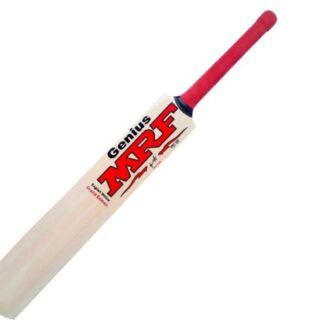
Meerut is India’s cricket manufacturing capital, and these major platforms offer a variety of options ranging from budget-friendly Poplar & Kashmir willow.
Buy NowTop rated
-
 Volleyball for Training & Practice
Original price was: ₹999.00.₹399.00Current price is: ₹399.00.
Volleyball for Training & Practice
Original price was: ₹999.00.₹399.00Current price is: ₹399.00.
-
 Basket Ball for Boys Training & Recreational Ball
Original price was: ₹1,250.00.₹599.00Current price is: ₹599.00.
Basket Ball for Boys Training & Recreational Ball
Original price was: ₹1,250.00.₹599.00Current price is: ₹599.00.
-
 World Cup Qatar Football - Size 5 Standard
Original price was: ₹1,250.00.₹599.00Current price is: ₹599.00.
World Cup Qatar Football - Size 5 Standard
Original price was: ₹1,250.00.₹599.00Current price is: ₹599.00.
-
 World Cup Football
Original price was: ₹999.00.₹499.00Current price is: ₹499.00.
World Cup Football
Original price was: ₹999.00.₹499.00Current price is: ₹499.00.
-
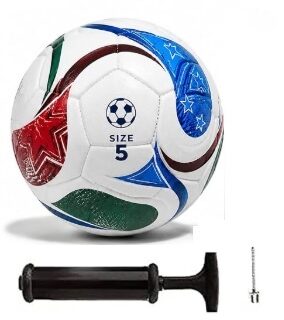 FIFA World Cup Trionda Competition Football
Original price was: ₹1,999.00.₹599.00Current price is: ₹599.00.
FIFA World Cup Trionda Competition Football
Original price was: ₹1,999.00.₹599.00Current price is: ₹599.00.
Products
-
Volleyball for Training & Practice
Original price was: ₹999.00.₹399.00Current price is: ₹399.00.
-
Basket Ball for Boys Training & Recreational Ball
Original price was: ₹1,250.00.₹599.00Current price is: ₹599.00.
-
World Cup Qatar Football - Size 5 Standard
Original price was: ₹1,250.00.₹599.00Current price is: ₹599.00.
-
World Cup Football
Original price was: ₹999.00.₹499.00Current price is: ₹499.00.
-
FIFA World Cup Trionda Competition Football
Original price was: ₹1,999.00.₹599.00Current price is: ₹599.00.