
There’s a moment where learning about trading shifts into something more practical. You’re no longer just watching charts or reading guides—you’re thinking about where to actually place trades. That’s when the search for a CFD broker begins. And if you’ve already tried looking, you’ll know how quickly it turns into a long list of options that all seem similar but somehow different at the same time.
It can feel like you’re supposed to make the “right” choice straight away. In reality, it’s less about finding the best broker and more about finding one that fits how you want to learn and trade.
The Platform Should Feel Natural, Not Forced
One of the first things you’ll notice when opening a trading platform is how it feels to use. Some layouts look clean but confusing once you start clicking around. Others might seem simple at first but hide important features in unexpected places.
This matters more than people think.
When you’re in the middle of a trade, you don’t want to hesitate because you’re trying to find a button or double-check an option. A good CFD broker should feel intuitive enough that you don’t have to think too much about the platform itself.
If it feels slightly off at the beginning, that feeling usually doesn’t go away.
Stability Is Quiet but Important
You won’t always notice a stable platform, but you will definitely notice when something goes wrong.
Delays, freezing charts, or slow execution can make a big difference, especially in fast-moving markets. Even if everything else looks good, these small issues can affect your experience more than you expect.
That’s why it helps to spend time testing the platform. Open charts, switch between markets, place a few demo trades. It’s not about testing everything perfectly—it’s about seeing if it feels reliable.
A dependable CFD broker often proves itself in these small, everyday interactions.
Costs Matter, But So Does Experience
You’ll probably come across discussions about spreads and fees. It’s a common point of comparison, and for good reason.
But it’s easy to become too focused on finding the lowest possible cost.
Sometimes, a slightly higher spread comes with a smoother platform or better execution. And that can make your overall experience much easier, especially when you’re still learning.
A balanced approach works better than chasing the cheapest option.
Try It Yourself Instead of Guessing
Reading reviews can only take you so far.
What really makes a difference is using the platform yourself. Most brokers offer demo accounts, and this is one of the easiest ways to get a real feel for things without any pressure.
Spend some time exploring. Place a few trades, adjust settings, move between charts. You’ll quickly notice what feels comfortable and what doesn’t.
Choosing a CFD broker becomes much clearer when you’ve actually experienced it firsthand.
You Can Always Change Later
One thing that helps reduce the pressure is remembering that your first choice doesn’t have to be permanent.
You’re not locked in forever.
As you gain experience, your preferences might change. You might want different features, better pricing, or a different interface. And that’s completely normal.
The goal at the beginning isn’t to get everything perfect. It’s to get started with something that works well enough for you.
Let Familiarity Do the Work
Over time, the platform you use becomes second nature. You stop thinking about where things are. You just focus on your trades.
That’s when it becomes a tool rather than something you’re still figuring out.
And that’s really what you’re looking for in a CFD broker, something that stays in the background while you focus on improving your decisions.
Because in the end, it’s not the platform that defines your progress. It’s how you use it, one trade at a time.

Super Sale Live

Meerut is India’s cricket manufacturing capital, and these major platforms offer a variety of options ranging from budget-friendly Poplar & Kashmir willow.
Buy NowTop rated
-
 Volleyball for Training & Practice
Original price was: ₹999.00.₹399.00Current price is: ₹399.00.
Volleyball for Training & Practice
Original price was: ₹999.00.₹399.00Current price is: ₹399.00.
-
 Basket Ball for Boys Training & Recreational Ball
Original price was: ₹1,250.00.₹599.00Current price is: ₹599.00.
Basket Ball for Boys Training & Recreational Ball
Original price was: ₹1,250.00.₹599.00Current price is: ₹599.00.
-
 World Cup Qatar Football - Size 5 Standard
Original price was: ₹1,250.00.₹599.00Current price is: ₹599.00.
World Cup Qatar Football - Size 5 Standard
Original price was: ₹1,250.00.₹599.00Current price is: ₹599.00.
-
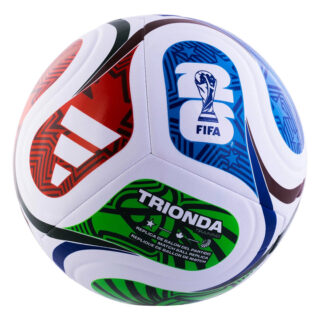 World Cup Football
Original price was: ₹999.00.₹499.00Current price is: ₹499.00.
World Cup Football
Original price was: ₹999.00.₹499.00Current price is: ₹499.00.
-
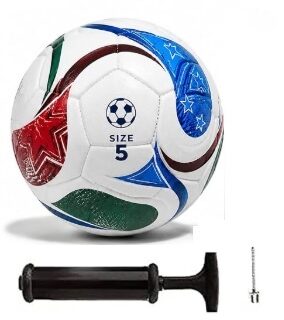 FIFA World Cup Trionda Competition Football
Original price was: ₹1,999.00.₹599.00Current price is: ₹599.00.
FIFA World Cup Trionda Competition Football
Original price was: ₹1,999.00.₹599.00Current price is: ₹599.00.
Products
-
Volleyball for Training & Practice
Original price was: ₹999.00.₹399.00Current price is: ₹399.00.
-
Basket Ball for Boys Training & Recreational Ball
Original price was: ₹1,250.00.₹599.00Current price is: ₹599.00.
-
World Cup Qatar Football - Size 5 Standard
Original price was: ₹1,250.00.₹599.00Current price is: ₹599.00.
-
World Cup Football
Original price was: ₹999.00.₹499.00Current price is: ₹499.00.
-
FIFA World Cup Trionda Competition Football
Original price was: ₹1,999.00.₹599.00Current price is: ₹599.00.