
Performance gains in sport rarely arrive from one dramatic change. More often, improvement builds through small advantages that stack quietly over months of disciplined work. Coaches adjust technique. Athletes refine timing. Training loads shift gradually. Yet one influence often sits in the background of these discussions: the quality and suitability of the physical tools used every day.
Most programmes focus heavily on coaching methodology, which makes sense. Instruction shapes movement patterns and decision-making. But even the best coaching struggles to deliver consistent progress if the training environment introduces friction. Subtle inconsistencies in surfaces, implements, or support gear can slow development in ways that are difficult to measure session by session.
This is where thoughtfully selected athletics equipment begins to show its value.
At the most basic level, well-matched tools reduce unnecessary variability. When athletes train with equipment that behaves predictably, they build cleaner movement patterns. Timing becomes more reliable. Repetition quality improves. Over weeks, these marginal gains accumulate into noticeable performance stability.
Poorly matched gear tends to create the opposite effect. Athletes unconsciously adjust to compensate for irregular rebound, uneven weight distribution, or inconsistent grip. These adjustments may appear minor, but they introduce noise into the learning process. Coaches then spend additional time correcting issues that originated from the environment rather than the athlete.
Another quiet performance driver is progression control. Training tools should support athletes as they move through different development stages. Equipment that is too advanced too early often forces rushed adaptation. Equipment that is overly basic for too long can stall progression.
High-performing programmes usually review their athletics equipment through this developmental lens. Adjustable resistance tools, scalable implements, and properly graded training aids allow coaches to fine-tune difficulty with greater precision. This helps athletes move forward without unnecessary plateaus or risk spikes.
Durability also influences long-term performance more than many teams expect. Training tools experience repeated stress, particularly in high-frequency programmes. When equipment begins to wear unevenly, its behaviour changes. Weight distribution shifts slightly. Surface response softens or stiffens. Athletes may not consciously notice the change, but their movement patterns often adapt.
Facilities that monitor the condition of their athletics equipment tend to preserve cleaner training consistency. Routine inspection and timely replacement prevent gradual performance drift. Over time, this discipline supports smoother athlete development.
There is also an efficiency benefit that becomes clear in well-managed environments. Reliable equipment reduces session interruptions. Coaches spend less time troubleshooting or modifying drills around gear limitations. Athletes stay in rhythm longer, which increases productive training minutes within each session.
Psychology plays a role as well. Athletes build trust through repetition. When training tools feel stable and predictable, confidence grows. That confidence often shows up in more committed effort during key drills. When equipment feels inconsistent, even slightly, hesitation appears. This hesitation can slow skill acquisition in subtle but meaningful ways.
Parents and support staff may not always identify the technical differences, but they often notice the overall training flow. Sessions run more smoothly. Athletes progress steadily. The environment feels organised and intentional.
Looking ahead, the competitive margin in many sports continues to narrow. As coaching knowledge becomes more widely shared, environmental precision gains importance. Programmes searching for incremental advantage are paying closer attention to the tools that support daily work.
The training tools that quietly improve performance rarely draw headlines. They simply reduce friction, preserve consistency, and allow athletes to repeat quality movement more often. When athletics equipment is selected and maintained with this mindset, progress becomes less uneven and far more sustainable over the long term.

Super Sale Live

Meerut is India’s cricket manufacturing capital, and these major platforms offer a variety of options ranging from budget-friendly Poplar & Kashmir willow.
Buy NowTop rated
-
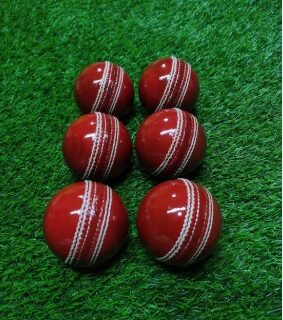 Leather Cricket Training/Practice Balls (2Pcs)
Original price was: ₹1,499.00.₹699.00Current price is: ₹699.00.
Leather Cricket Training/Practice Balls (2Pcs)
Original price was: ₹1,499.00.₹699.00Current price is: ₹699.00.
-
 Basket Ball for Boys Training & Recreational Ball
Original price was: ₹1,250.00.₹599.00Current price is: ₹599.00.
Basket Ball for Boys Training & Recreational Ball
Original price was: ₹1,250.00.₹599.00Current price is: ₹599.00.
-
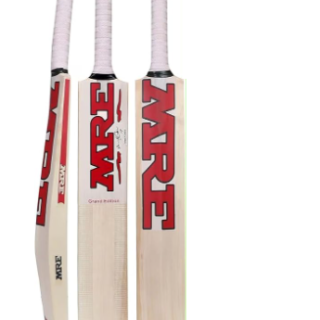 MRF Kashmir Willow Cricket Bat
Original price was: ₹3,450.00.₹1,650.00Current price is: ₹1,650.00.
MRF Kashmir Willow Cricket Bat
Original price was: ₹3,450.00.₹1,650.00Current price is: ₹1,650.00.
-
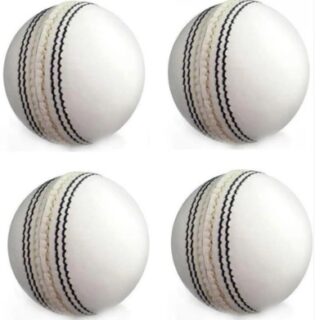 Cricket Leather White Ball for Training/Practice (2Pcs)
Original price was: ₹1,499.00.₹699.00Current price is: ₹699.00.
Cricket Leather White Ball for Training/Practice (2Pcs)
Original price was: ₹1,499.00.₹699.00Current price is: ₹699.00.
-
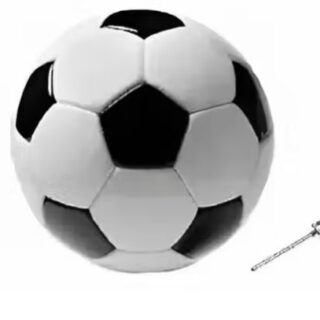 Football Ball size 3 with air pump
Original price was: ₹600.00.₹399.00Current price is: ₹399.00.
Football Ball size 3 with air pump
Original price was: ₹600.00.₹399.00Current price is: ₹399.00.
Products
-
Basket Ball for Boys Training & Recreational Ball
Original price was: ₹1,250.00.₹599.00Current price is: ₹599.00.
-
 World Cup Qatar Football - Size 5 Standard
Original price was: ₹1,250.00.₹599.00Current price is: ₹599.00.
World Cup Qatar Football - Size 5 Standard
Original price was: ₹1,250.00.₹599.00Current price is: ₹599.00.
-
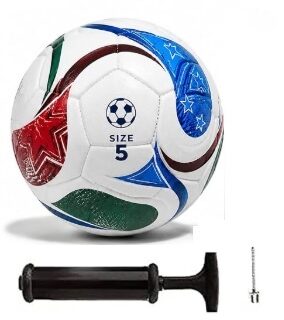
 World Cup Football
Original price was: ₹999.00.₹499.00Current price is: ₹499.00.
World Cup Football
Original price was: ₹999.00.₹499.00Current price is: ₹499.00.
-
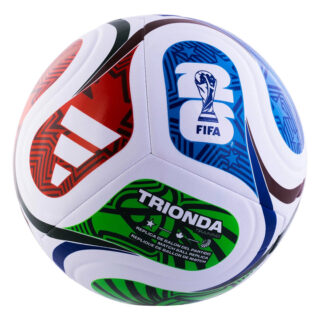
 FIFA World Cup Trionda Competition Football
Original price was: ₹1,999.00.₹599.00Current price is: ₹599.00.
FIFA World Cup Trionda Competition Football
Original price was: ₹1,999.00.₹599.00Current price is: ₹599.00.
-
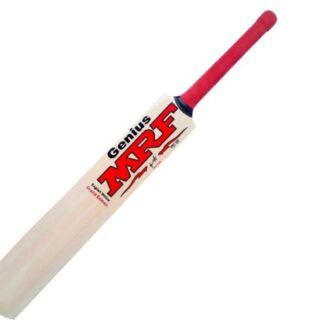 MRF Kashmir Willow Cricket Bat Size 6
Original price was: ₹3,490.00.₹1,650.00Current price is: ₹1,650.00.
MRF Kashmir Willow Cricket Bat Size 6
Original price was: ₹3,490.00.₹1,650.00Current price is: ₹1,650.00.